Alright, so when you’re diving into electrical engineering, you’ll definitely come across the Power Line Inductor. These little guys actually play a pretty big role. I remember reading what Dr. James H. Thompson from Inductor Solutions Inc. said — he’s kind of a big deal in the field — and he mentioned, "Power Line Inductors are pretty much essential for keeping power management in check these days." That really shows just how important they are across different applications.
Basically, Power Line Inductors help cut down on noise and keep power lines stable. Think of them as filters that smooth out the ups and downs in electrical current. Without them, devices can get weird interruptions or just not work as efficiently. That’s why industries rely so much on these components to keep everything running smoothly.
Of course, it’s not all sunshine and rainbows. There are some hurdles too. Designing these inductors isn’t always straightforward — if you don’t get it right, you might end up wasting energy or facing other inefficiencies. And, of course, proper installation is super important if you really want to get the most out of them. It’s a bit of a continuous dance — you gotta keep innovating and refining. The benefits are clear, no doubt about it, but reaching that sweet spot for performance is a journey that needs constant effort and some reflection along the way.

Definition and Functionality of Power Line Inductors
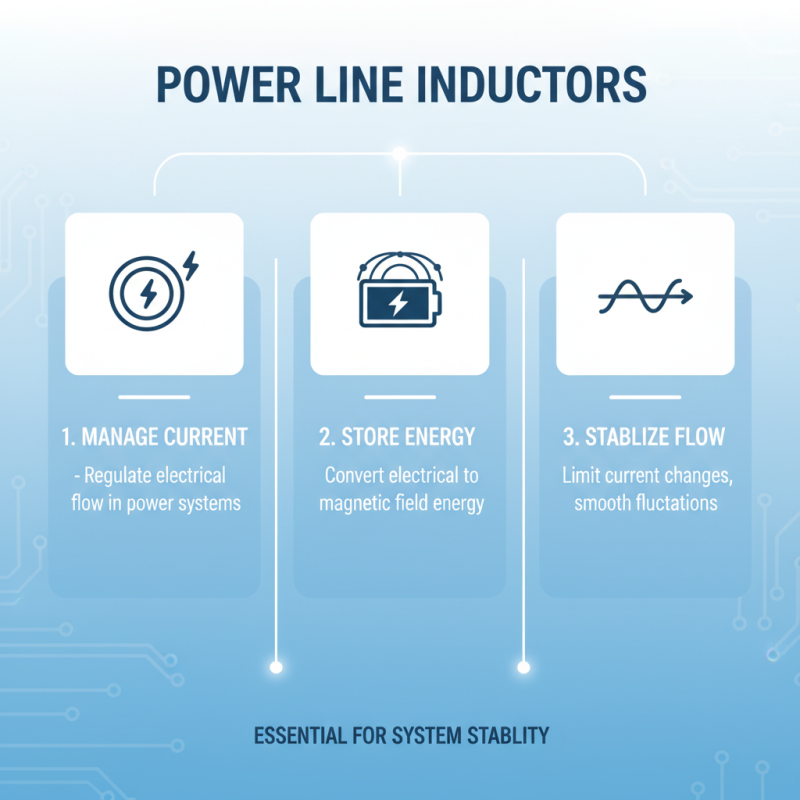
Power Line Inductors are essential components designed to manage electrical current in power systems. These inductors store energy in a magnetic field when electrical current flows through them. Their primary function is to limit the rate of change of current, effectively smoothing out fluctuations. In power systems, they help maintain a steady flow of electricity, which is crucial for the stability of various applications.
In practical use, Power Line Inductors are often found in transformers and voltage regulation circuits. They are instrumental in filtering out high-frequency noise that can disrupt electrical equipment. However, the design and use of these inductors are not without challenges. Factors like impedance, saturation, and thermal performance can complicate their functionality. Engineers must carefully consider these elements when integrating inductors into systems.
While Power Line Inductors are reliable, their performance can vary based on application and conditions. Some designs may lead to unexpected losses if not properly tuned. This complexity highlights the need for expert knowledge in selecting and implementing suitable inductors for specific applications. Understanding the intricacies of Power Line Inductors requires both technical expertise and practical experience.
Types of Power Line Inductors in Electrical Systems
Power Line Inductors play a crucial role in electrical systems. These components help to manage current flow and improve system efficiency.Power Line Chokes are a type of inductor designed specifically for high-frequency noise suppression. They work by impeding the flow of unwanted signals while allowing the desired current to pass.
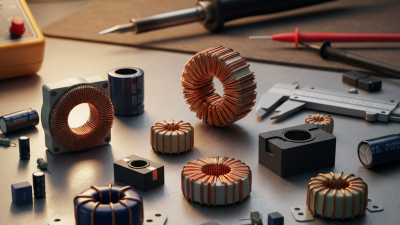
When considering types of Power Line Inductors, theAir Core Inductor is a common choice. These inductors use air as the core material, making them lightweight and efficient. Another option is the ferrite Core Inductor, which offers excellent performance in high-frequency applications. Ferrite inductors are compact and able to handle more current without overheating. Each inductor type has unique advantages, making it essential to select the right one for your specific needs.
Tips for selecting the right power line choke include assessing the application and required specifications. Consider the frequency range and current rating when making a choice. It’s also wise to consult with industry experts for tailored recommendations. Always ensure your selected inductor meets safety standards and reliability requirements. Testing and evaluating the inductor under real-world conditions can save you from potential issues down the line.
Key Components and Design Considerations of Inductors
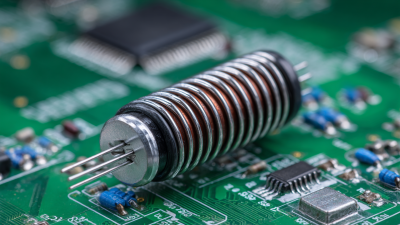
Inductors play a crucial role in electrical systems, especially in Power Line Filters. A power line inductor is designed to limit the flow of high-frequency noise. This ensures a clean and stable power supply. The key components of these inductors include a core material, wire windings, and insulation. Common core materials are ferrite and iron, which are chosen for their magnetic properties.
Design considerations are critical for performance. Wire gauge affects resistance and current capacity. Inductor size impacts inductance and power handling. According to industry reports, inductors can achieve efficiencies of over 95%. However, mismatches in design can lead to overheating or reduced lifespan. Non-ideal factors, such as core saturation, should be carefully analyzed during the design phase.
A well-designed power line filter benefits from proper inductor selection. This involves balancing size, resistance, and inductance. Engineers must consider both the electrical and thermal properties of materials. Failure to do so may result in insufficient noise suppression. Continuous innovations aim to improve the reliability of inductors. However, challenges remain in dealing with high-frequency applications.
What is a Power Line Inductor and its Applications? - Key Components and Design Considerations of Inductors
| Component | Function | Applications | Design Considerations |
| Core Material | Provides magnetic path | Used in transformers and reactors | Material type affects inductance and saturation |
| Winding Method | Determines inductance values | Power supply filters and energy storage | Single-layer vs. multi-layer impacts efficiency |
| Insulation Type | Prevents electric leakage | High-voltage applications | Temperature rating and dielectric strength are critical |
| Inductance Value | Defines circuit response to AC | Filters, chokes, and LC circuits | Required value determined by application |
| DCR (Direct Current Resistance) | Influences power loss | DC-DC converters | Minimizing resistance enhances efficiency |
Applications of Power Line Inductors in Power Management
Power line inductors play a vital role in power management systems. These components mitigate voltage spikes and filter out unwanted signals in electrical circuits. They help ensure a stable power supply, protecting sensitive devices from fluctuating currents. By storing energy temporarily, they create smoother power delivery, essential in various applications.
In renewable energy systems, power line inductors efficiently integrate energy sources like solar and wind. These systems often face variable output levels. Inductors help balance the power flow, enhancing the reliability of energy distribution. In this context, their role becomes even more pronounced as energy demands grow.
Inductors also aid in achieving energy efficiency. They manage harmonics produced by electronic devices, reducing losses in power transmission. However, selecting the right inductor for specific needs can be challenging. Factors like inductance value, current ratings, and core material must be considered. Miscalculating these elements might lead to inefficiencies, highlighting the need for careful analysis.
Role of Inductors in Noise Filtering and Signal Integrity
Inductors play a crucial role in maintaining signal integrity and filtering out noise in various electronic applications. The integration of power line inductors can significantly enhance the performance of Dc Line Filters. For instance, a well-designed DC line filter can reduce electromagnetic interference (EMI) by up to 30%. This is essential for achieving cleaner, more reliable power delivery in sensitive electronic devices. The efficiency of filters is greatly influenced by the inductor’s core material and design, impacting the overall noise reduction.
Furthermore, inductors help manage voltage spikes and transients, which can disrupt circuit function. Studies show that the ripple current can fluctuate markedly without proper filtering, potentially exceeding tolerance levels. By incorporating inductors, engineers can stabilize these currents, ensuring better system performance. However, there is a trade-off: larger inductors occupy more space and introduce parasitic elements. Designers must balance size and performance, making thoughtful choices to optimize circuit design.
In applications ranging from telecommunications to industrial machinery, the importance of solid inductors cannot be overstated. These components directly affect how well a DC line filter operates. The right specifications for inductors are vital. They must be selected based on the frequencies involved and expected load conditions. When done correctly, the results can be dramatic, illustrating the indispensable role of inductors in modern electronics.
Impact of Inductors on Energy Efficiency and Performance
Inductors play a critical role in improving the energy efficiency of power line systems. These components store energy in a magnetic field when electrical current passes through. A recent industry report indicates that optimizing inductors can enhance system efficiency by up to 30%. By reducing undesirable currents, they contribute to lower energy losses.
Implementing inductors properly can lead to better performance. For example, they help filter out high-frequency noise that disrupts power quality. According to data from the Electric Power Research Institute, the incorporation of inductive components can reduce voltage spikes by nearly 50%. This reduction can extend the lifespan of other electronic components.
Tips: Regularly inspect your inductor systems for signs of wear or damage. A small issue can spiral into significant efficiency losses. Furthermore, always consider the inductance value needed for specific applications. Choosing incorrectly can lead to wasted energy or even component failure.
Future Trends and Innovations in Power Line Inductor Technology
The field of power line inductor technology is evolving rapidly. As energy demands increase, the need for efficient Line Filter Choke systems becomes crucial. These components help to minimize electromagnetic interference, enhancing the reliability of electronic devices. Future innovations may focus on materials that reduce losses and improve performance. Researchers are exploring new core materials that can withstand higher temperatures while maintaining efficiency.
Emerging designs may incorporate smart technology. For instance, inductors that can self-tune to minimize disturbances are being considered. This could lead to increased efficiency and reduced costs for both manufacturers and consumers. However, adapting to these advancements poses challenges. Integration with existing systems may require extensive testing and validation.
The trend also highlights sustainability. Manufacturers are being urged to consider eco-friendly materials. The push for greener technologies reflects growing environmental awareness. Nevertheless, reliability in power delivery remains a priority. Balancing innovation with established performance standards will be essential for future developments in power line inductors.
A Comprehensive Guide to SMT Power Choke Coils: Understanding the Features and Applications of 4.7uH SMD Inductors
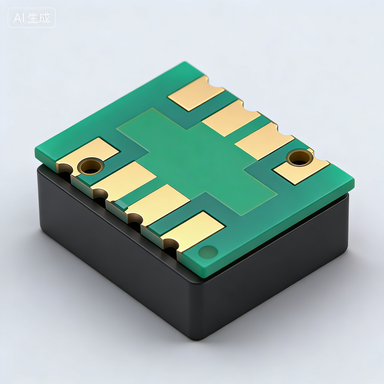
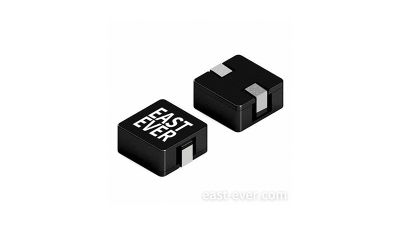
Inductors play a critical role in various electronic applications, especially in power circuits like DC/DC converters and voltage regulator modules (VRMs). One of the prominent types is the 4.7µH surface-mount technology (SMT) power choke coil. These are highly favored due to their low profile and excellent efficiency characteristics. According to industry reports, the demand for compact and efficient power solutions is projected to grow significantly, driven by the increasing need for smaller electronic devices and enhanced power management. The operating frequency can reach up to 5MHz, making these inductors suitable for high-speed applications.
The construction of SMT power choke coils utilizes magnetically shielded techniques, resulting in low electromagnetic interference (EMI) — a critical factor for sensitive electronics. With an operational temperature range from -55°C to +125°C, these inductors ensure reliability under extreme conditions. Their low direct current resistance (DCR) contributes to high power efficiency, reducing energy losses during operation. As the industry gravitates towards lighter and more power-efficient designs, such inductors are essential components in applications including DC switching power supplies and SSD modules, confirming their indispensable role in modern hardware design.
Notably, the capacity of these inductors to carry high current while maintaining low core loss ultimately leads to enhanced performance in systems like notebooks and personal digital assistants (PDAs). The ongoing advancements in SMT technology will continue to evolve, offering features that meet the increasing complexities of power electronics. Data from market analysis highlights a continuous rise in the adoption of SMT power arrangements, indicating a robust future for these components in leading-edge technologies.
FAQS
: Power line inductors manage current flow and improve system efficiency.
They suppress high-frequency noise while allowing desired current to pass through.
An air core inductor uses air as its core material, making it lightweight and effective.
Ferrite core inductors perform well in high-frequency applications and can handle more current.
Assess application needs, frequency range, and current rating for better selection.
They balance power flow, enhancing reliability when integrating solar and wind energy sources.
Optimizing inductors can enhance system efficiency by up to 30%.
Miscalculating values may lead to inefficiencies and potential component failure.
Regular inspections can prevent small issues from becoming significant efficiency losses.
They minimize energy losses by reducing undesirable currents in the system.
Conclusion
A Power Line Inductor is a vital component in electrical systems, primarily designed to store energy in a magnetic field when electrical current flows through it. They come in various types and are integral to enhancing power management by helping to regulate voltage and current, thus improving system efficiency. Key design considerations for inductors include their core material, inductance value, and physical dimensions, which significantly influence their performance and application suitability.
Power Line Inductors play a crucial role in noise filtering and maintaining signal integrity, allowing for cleaner and more reliable power distribution. As the demand for energy efficiency grows, these components are evolving, with future trends pointing towards innovations that enhance their effectiveness, reduce size, and improve integration into modern electronic devices. Overall, Power Line Inductors are essential for optimizing performance and energy usage in a variety of electrical applications.

 +86-15916242887
 CONTACT US